

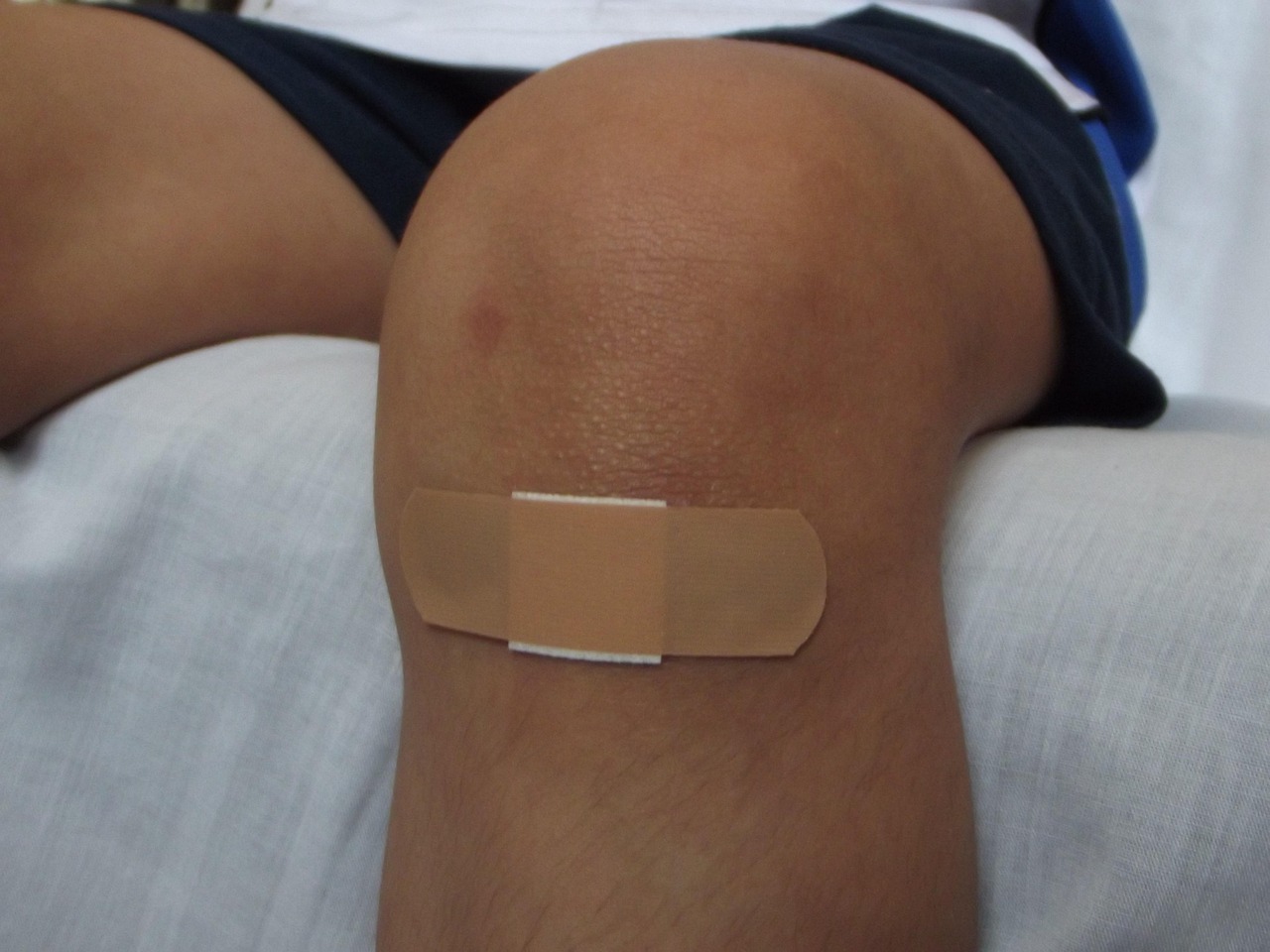
How does the body repair itself after a simple cut? The process may look basic on the surface, but underneath, it involves a precise sequence of biological events. From clotting to scabs and eventual regeneration, the body follows a set of wound healing stages designed to protect, repair, and restore damaged skin.
Understanding how blood clotting and tissue repair work can help explain why even small wounds need proper care.
What Happens Immediately After a Cut?
The moment the skin is broken, the body activates its emergency response system. Tiny blood vessels constrict in a process called vasoconstriction, which helps reduce blood loss right away.
At the same time, platelets, small cell fragments in the blood, rush to the injury site. These platelets stick together and begin forming a temporary plug. This rapid response is the first step in blood clotting and marks the beginning of the wound healing stages.
This early phase happens within minutes and sets the foundation for everything that follows.
Stage 1: Clotting and Blood Clotting Mechanisms
Clotting, also known as hemostasis, is the body’s first official step in repairing a wound. During this stage, platelets release chemical signals that trigger a chain reaction known as the clotting cascade.
Proteins in the blood, including fibrin, form a mesh-like structure that stabilizes the platelet plug. This creates a more durable clot that seals the wound and prevents further bleeding.
Blood clotting is essential not just for stopping blood loss but also for creating a protective barrier. Without proper clotting, even minor cuts could become serious risks.
Stage 2: Scabs and Surface Protection
Once clotting is complete, the outer layer of the clot begins to dry and harden, forming what is commonly known as a scab. Scabs act as a natural bandage, shielding the wound from dirt, bacteria, and further injury.
Underneath the scab, the body continues its repair work. White blood cells move in to fight potential infections, while enzymes clear out damaged tissue.
Although scabs may be tempting to pick, removing them too early can interrupt the healing process. It may reopen the wound, increase the risk of infection, and slow down regeneration.
Stage 3: Regeneration and Tissue Growth
The regeneration phase, also called proliferation, is where new tissue begins to form. Skin cells known as keratinocytes multiply and migrate across the wound to close the gap.
At the same time, fibroblasts produce collagen, a protein that gives the skin structure and strength. New blood vessels develop in a process called angiogenesis, supplying oxygen and nutrients to the growing tissue.
This stage is crucial for rebuilding what was lost. The wound gradually shrinks as new tissue replaces the damaged area, and the surface begins to look more like normal skin.
Stage 4: Remodeling and Strength Recovery
The final stage of wound healing focuses on strengthening and refining the repaired tissue. Collagen fibers reorganize, becoming more structured and aligned over time, according to the World Health Organization.
Although the wound may appear healed on the surface, this remodeling phase can last for weeks or even months. The skin regains strength, but it may not reach the same level as before the injury.
Scars can form during this stage, depending on the depth and severity of the wound. Minor cuts usually heal with little to no visible marks, while deeper injuries may leave lasting changes.
Factors That Affect Wound Healing Stages
Not all wounds heal at the same rate. Several factors can influence how efficiently the body moves through clotting, scabs, and regeneration.
- Nutrition: Adequate intake of protein, vitamins (especially C and A), and minerals like zinc supports tissue repair
- Hydration: Proper fluid levels help maintain skin elasticity and cell function
- Age: Younger individuals tend to heal faster due to more active cell regeneration
- Health conditions: Diabetes and immune disorders can slow blood clotting and healing
- Infection: Bacteria can delay or disrupt the healing process if not managed properly
Understanding these factors can help explain why some cuts heal quickly while others take longer.
How Long Does It Take for a Cut to Heal?
Healing time depends on the size and depth of the cut. Minor cuts typically go through the wound healing stages within a few days to a week.
- Small, shallow cuts: 3 to 7 days
- Moderate cuts: 1 to 2 weeks
- Deeper wounds: Several weeks or longer
Blood clotting occurs almost immediately, while scabs form within hours. Regeneration and remodeling take the most time, as the body carefully rebuilds tissue and restores strength, as per Harvard Health.
Tips for Supporting Healthy Wound Healing
Caring for a cut properly can make a noticeable difference in how well it heals.
- Clean the wound gently with water to remove debris
- Apply an antiseptic to reduce infection risk
- Use a clean bandage to protect the area
- Keep the wound slightly moist rather than letting it dry out completely
- Avoid picking at scabs to allow natural healing
These steps support the body’s natural clotting and regeneration processes without interfering with them.
How Clotting, Scabs, and Regeneration Work Together
Clotting, scabs, and regeneration are not separate events but parts of a continuous system. Blood clotting stops the bleeding and creates a base for healing. Scabs protect the wound while internal repair continues. Regeneration rebuilds the skin layer by layer.
Together, these wound healing stages show how the body responds quickly and efficiently to injury. Even a small cut activates a complex network of cells, proteins, and signals working in coordination.
By understanding how clotting, scabs, and regeneration function, it becomes easier to appreciate why proper wound care matters and how the body restores itself after everyday injuries.
Frequently Asked Questions
1. Can stress affect how quickly a wound heals?
Yes, chronic stress can slow wound healing by weakening the immune response and delaying tissue repair.
2. Do certain medications interfere with blood clotting?
Some medications, such as blood thinners, can reduce clotting ability and may cause wounds to bleed longer.
3. Is itching a normal part of wound healing?
Yes, itching is common during regeneration as new tissue forms and nerves begin to recover.
4. Can dehydration slow down the healing process?
Yes, dehydration can reduce skin elasticity and limit the body’s ability to repair damaged tissue efficiently.
